Dive into the mechanics of Battleplan, the immersive WW2 real-time strategy game. Learn how to master map-based planning, logistics, and historical command.
Published: Battleplan Wiki Editorial Team
Table of Contents
Mastering the Frontlines in Battleplan
Battleplan represents a significant shift in the real-time strategy (RTS) genre, moving away from the frantic, unit-by-unit micromanagement often found in traditional titles. Instead, it offers a simulation-heavy experience where you act as a high-level commander. Whether you are orchestrating a massive offensive or managing a defensive line, the game demands a strategic mindset where your primary tool is the map itself.
For players coming from faster-paced RTS titles, the transition to Battleplan requires a change in philosophy. You are not clicking on individual soldiers to move them; you are drawing complex plans that your officers and companies then execute autonomously. This approach creates a unique rhythm to the gameplay—pausing to assess, drawing your intentions, and watching the simulation unfold as your orders flow down the chain of command.
The Art of Command: Planning and Simulation
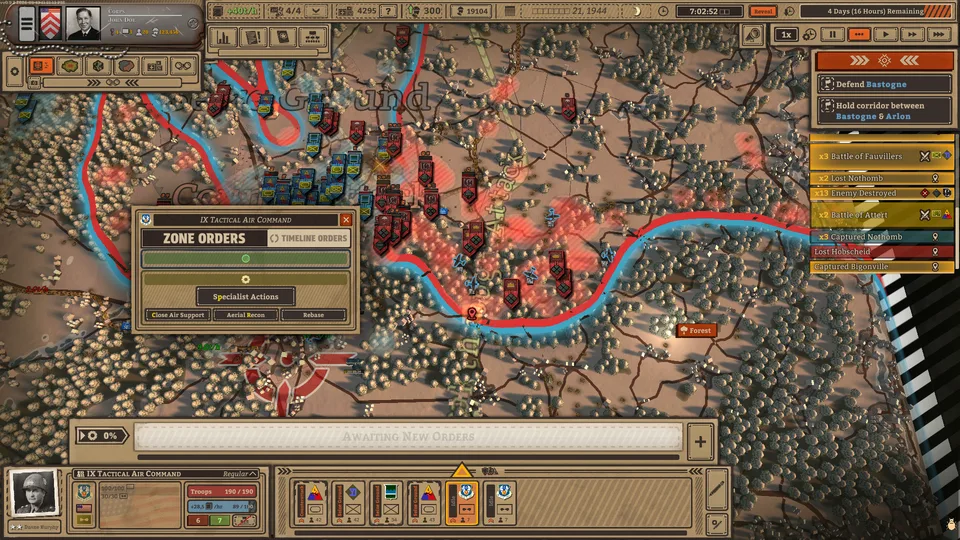
The standout feature of Battleplan is its intuitive planning interface. By allowing players to draw directly on the map, the game bridges the gap between a tabletop wargame and a digital RTS. This is not merely a visual aid; it is the fundamental way you interact with your army.
Tip
Why You Should Use Pause:
Because missions can last from one week to a month of simulated time, the ability to pause, play in real-time, or fast-forward is your most valuable asset. Do not feel pressured to keep the game running at 1x speed during complex maneuvers. Use the pause function to meticulously draw your multi-stage offensives.
How the Command System Works
When you issue an order, you are setting the stage for your units to operate. Your divisions are modeled with a realistic hierarchy, including headquarters, regiments, battalions, and companies.
Draw Objectives: Define your attack vectors, defensive perimeters, or withdrawal routes directly on the terrain.
Autonomous Execution: Once orders are issued, your AI-controlled officers and units handle the granular details. They will attempt to fulfill your intent based on their current capabilities and veterancy.
Chain of Command: You can customize your army's structure, splitting units or combining divisions into corps. Managing this chain is vital, as it determines how effectively your orders are carried out.
This system rewards players who plan ahead. If you try to force a complex movement without proper preparation, your units may struggle. Conversely, well-thought-out plans—such as preparatory bombardments followed by a multi-pronged assault—often yield decisive results.
Logistics and Army Management
Strategy in Battleplan extends far beyond the frontline. A major component of the game is the simulation of logistics. You can have the most powerful army in the Western Front, but if they are starved of supplies, they will falter.
The game models supply lines realistically, with terrain playing a crucial role in how resources flow to your troops. Capturing enemy supply depots is not just a tactical objective; it is a logistical necessity to fuel your advance. If your units run low on supplies, you must be prepared to pull them back, allowing them to recuperate and reorganize.
Managing Your Officers
Your officers are not just generic icons; they gain veterancy and develop quirks over time.
Veterancy: Keep your officers alive to gain experience. Veteran units are significantly more effective in combat.
Quirks: Officers may develop specific personality traits that influence how they interpret your orders or perform under pressure.
Personnel Decisions: You have the authority to hire and fire officers. Listen to their advice during the campaign—or choose to ignore it if you believe your strategic vision is superior.
Historical Realism: The Western Front
Battleplan is deeply rooted in historical accuracy. The game focuses on the Western Front from 1944 onward, featuring 10+ massive historical battles. What sets this apart is the use of real-world geographic data.
Every town, forest, swamp, and road is placed exactly where it exists in real life. This level of detail allows you to use actual military tactics, such as placing artillery on high ground by examining elevation maps. The game also incorporates geo-tagged historical photos and videos, providing context to the battles you are fighting.
Tip
Leverage Air Support:
As you progress, do not overlook the importance of air support. Recon, fighter-bombers, and heavy bombers can turn the tide of a stalled offensive. Use these assets to soften up enemy positions before committing your ground forces to a set-piece attack.
Performance and System Requirements
To ensure a smooth experience, especially given the game's focus on simulating massive battles with hundreds of thousands of troops, it is important to check your hardware against the requirements.
Minimum System Requirements:
OS: 64-bit Windows 11 / 10
Processor: Intel Celeron G4920 (Legacy: i3-2100) or AMD Athlon 200GE
Memory: 4 GB RAM
Graphics: Nvidia GeForce GT 1030 (Legacy: GTS 450) or AMD Radeon RX 460 (Legacy: HD 5570)
Storage: 8 GB available space
DirectX: Version 11
While the minimum requirements cover the basics, the simulation of massive, month-long battles can be resource-intensive. If you notice performance dips during intense combat sequences, consider adjusting the graphics settings or ensuring your drivers are up to date.
FAQ: Common Questions About Battleplan
Is Battleplan a multiplayer game?
No, Battleplan is a single-player real-time strategy game. The focus is on the historical campaign and the simulation of massive battles where you command your forces against AI opponents.
Can I play Battleplan on Steam Deck?
Currently, the Steam Deck compatibility for Battleplan is listed as "Unknown." While it may run, it has not been officially verified by Valve for the platform.
How long are the missions?
Mission lengths in Battleplan vary significantly, ranging from one week to a month of simulated time. This reflects the game's focus on large-scale, sustained operations rather than short skirmishes.
Do I need to be a history expert to play?
While the game uses real-world geographic data and historical battles, you do not need to be an expert. The game provides the necessary tools and information to plan your battles, and you can learn about the history through the integrated geo-tagged photos and videos.