Discover how Battleplan simulates massive WW2 battles with tens of thousands of troops. Learn to master planning, logistics, and officer management in this tactical RTS.
Published: Battleplan Wiki Editorial Team
Table of Contents
Mastering Large-Scale Warfare in Battleplan
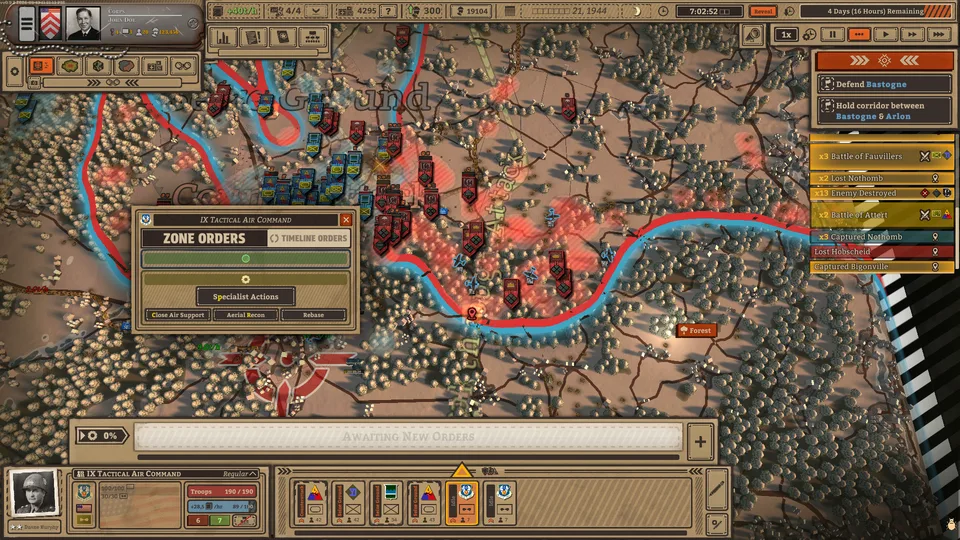
In the realm of real-time strategy games, few titles attempt to capture the sheer scale of World War II with the level of fidelity found in Battleplan. Developed by Foolish Mortals Games Inc., the title distinguishes itself by simulating massive battlefields where tens of thousands of troops move and fight simultaneously. Unlike traditional RTS games that might focus on micro-managing individual infantry units in a skirmish, Battleplan tasks you with the role of a high-level commander.
The simulation engine is designed to handle hundreds of thousands of troops second-by-second, day-by-day, throughout month-long engagements. This scale creates a unique strategic challenge: you are not just managing a single firefight, but overseeing the logistical and tactical flow of entire divisions across real-world geographic data. Whether you are playing as the Allies in the Liberation of France or taking command of German forces in individual scenarios, the focus remains on macro-management, planning, and long-term attrition.
The Intuitive Planning System
One of the most defining features of Battleplan is how it handles unit movement and orders. Instead of clicking units and issuing point-and-click commands, you interact with the map directly.
Effective Planning Strategies
Draw Directly: Use the map interface to sketch multi-step, multi-unit plans. This allows for complex maneuvers like pincer movements.
Multi-Unit Coordination: Split divisions to capture multiple objectives simultaneously or concentrate force for a breakthrough.
Tactical Flexibility: Incorporate maneuvers like defense in depth, planned withdrawals, and counterattacks into your drawn plans.
Preparatory Bombardment: Always plan artillery strikes before initiating a large set-piece attack to soften enemy defenses.
This drawing system is not merely cosmetic; it is the primary way your officers and companies receive instructions. Once you have drawn your plan, you watch as your units carry them out autonomously. This "high-level command" approach means your success depends on your ability to visualize the battlefield and anticipate the enemy's movements before the engagement begins.
Managing Your Army and Officers
Battleplan emphasizes the importance of the chain of command. Each division is realistically modeled with a hierarchy consisting of headquarters, regiments, battalions, and companies. This is not just a visual representation; it affects how your units perform.
Your officers are the backbone of your army. Managing them involves more than just assigning them to a unit; you must hire, fire, and promote them based on their performance. As your officers gain experience, they develop "quirks" and veterancy, which can significantly alter the effectiveness of the units under their command.
Tip
Protect Your Officers: Keep your officers alive throughout the campaign. Their accumulated veterancy makes them invaluable assets. A highly experienced officer can turn the tide of a battle, whereas losing them means losing that accumulated knowledge and tactical bonus.
Listening to your officers' advice is an option, but not a requirement. Sometimes, a commander's intuition is better than the cautious advice of a subordinate, but ignoring your staff carries the risk of unforeseen complications during the heat of battle.
Logistics and Real-World Geography
The battlefields in Battleplan are modeled using real-world geographic data, meaning every forest, road, swamp, and town is placed exactly where it was historically. This realism extends to the elevation maps, which are crucial for artillery placement. Placing your artillery on high ground is not just a tactical suggestion; it is a necessity for effective fire support.
Logistics is the final, and perhaps most critical, pillar of your strategy. You cannot simply advance indefinitely.
Supply Lines: You must actively cut enemy supply lines to starve them out.
Supply Depots: Capturing these is essential to fuel your own advance.
Tactical Withdrawal: If your units run low on supplies, you must be prepared to pull them back to recover, or they will become ineffective and vulnerable to counterattacks.
The supply system is realistically simulated, with the terrain directly dictating the flow of supplies. Fighting in a swamp or dense forest will naturally slow down your logistics, forcing you to plan your operations around the constraints of the environment rather than just the strength of your divisions.
Campaign Progression and Historical Context
The core experience of Battleplan is its persistent campaign. You lead your army through over 10 massive historical battles set during the Liberation of France. Because your army persists between missions, how you handle your troops matters.
Units that are wounded in battle need time to rest and recuperate. If you push your divisions too hard without giving them time to recover, their combat effectiveness will plummet. You also have the ability to requisition new units and upgrade your existing divisions with new attachments throughout the campaign.
Furthermore, you can gain powerful air support assets, such as reconnaissance, fighter-bombers, and heavy bombers, which are essential for dealing with entrenched enemy positions. The game also includes geo-tagged historical photos and videos, allowing you to learn about the real-world history of the locations you are fighting over, adding an educational layer to your tactical experience.
By focusing on these elements—planning, logistics, officer management, and persistent growth—you can master the complexities of Battleplan and successfully command your forces to victory.