Learn how to command divisions, manage complex logistics, and execute multi-stage offensives in the WW2 grand strategy game Battleplan.
Published: Battleplan Wiki Editorial Team
Table of Contents
Understanding the Strategic Core of Battleplan
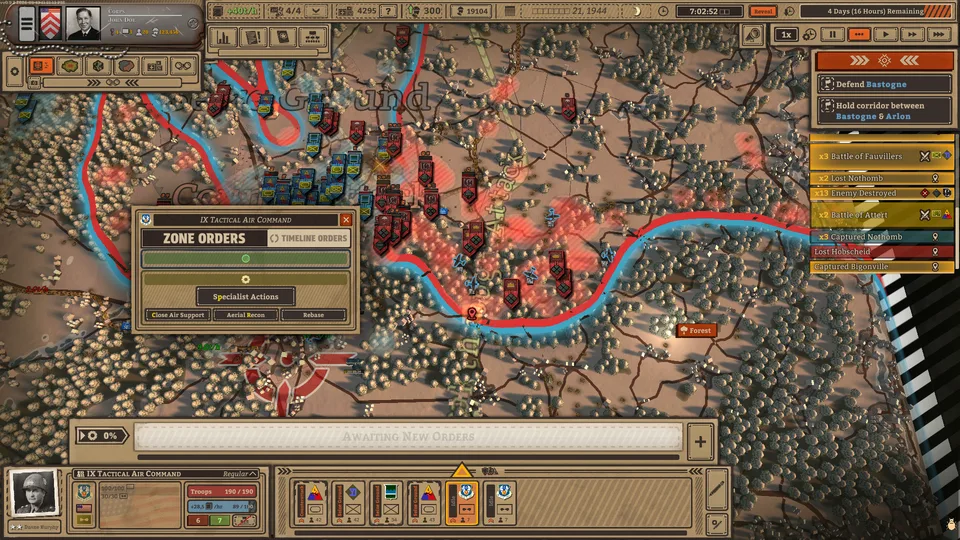
Battleplan offers a sophisticated approach to World War II real-time strategy, focusing on realism and simulation rather than mere unit clicking. As a player, you are not micro-managing every soldier, but rather operating at a division or corps level. You provide the strategic intent, and your officers carry out these orders autonomously. The game is currently available on Steam, where it has garnered attention for its unique "pencil-drawing" planning interface and deep supply chain mechanics.
Planning and Executing Operations
The heart of the game lies in its planning phase. Unlike traditional RTS titles where units react instantly to clicks, Battleplan asks you to draw your intentions directly onto the map.
Enter Planning Phase: Press the space bar to pause the action and initiate the planning mode.
Draw Intentions: Use the toolset to draw lines of movement, assembly areas, or attack vectors.
Sequence Orders: Create multi-stage plans, such as an artillery barrage followed by a breakthrough maneuver.
Execute: Once your plan is finalized, click "Execute" to let your units begin their assigned tasks.
According to community reports, the ability to visualize your plan on the map is one of the game's most satisfying features. It allows for complex maneuvers like "defense in depth" or coordinated multi-pronged attacks. Remember that the game simulates combat second-by-second; if you find yourself overwhelmed, you can pause or adjust your plans at any time to adapt to the shifting battlefield conditions.
Logistics and Supply Chain Management
Logistics is not an afterthought in Battleplan; it is a fundamental pillar of your success. If your supply lines are cut, your units will stall and become vulnerable.
Tip
Always keep an eye on your supply levels, which are indicated at the top of the screen. If you see red numbers, it means your units are spending more supplies than they are receiving.
Terrain plays a massive role in supply distribution. Roads are essential for efficient flow, while swamps and difficult terrain can severely hinder your logistics. To starve the enemy, focus your efforts on cutting their supply routes or capturing their supply depots. Conversely, ensure your own forces have a clear path back to your supply hubs to maintain combat effectiveness during long-term campaigns.
Army Composition and Command Structure
Your army is represented by realistic formations, including headquarters, regiments, battalions, and companies. One of the most critical aspects of army management is the chain of command.
[ ] Merge Units: Drag and drop divisions together to form corps for easier command management.
[ ] Officer Management: Hire and fire officers based on their performance and veterancy.
[ ] Upgrade Assets: Requisition new attachments for your divisions to increase their firepower.
[ ] Veterancy: Keep your officers alive so they can gain experience and unique quirks that improve unit performance.
The simulation of unit autonomy is impressive. Your infantry, tanks, and engineers will work together based on the high-level orders you provide. If you want to maximize efficiency, pay close attention to your officers' advice—though the final decision remains yours.
Managing Night Operations and Terrain
The game world is modeled using real-world geographic data, meaning elevation and terrain features are authentic. Placing artillery on high ground is not just a suggestion; it is a tactical necessity to gain an advantage.
Nightfall introduces a significant change in gameplay. Units are less likely to enter enemy territory due to increased risk and reduced visibility. During the night, your forces will often stop to rest. You can use this time to shift your troops or prepare new plans for the following day. Since the game allows for time manipulation, you can use the fast-forward feature during these downtime periods to keep the momentum of your campaign going.
FAQ: Common Questions About Battleplan
Does Battleplan have a manual?
Based on initial player experiences, there is no traditional manual provided in the game. Much of the learning process involves experimenting with the planning tools and understanding the tactical feedback provided by the UI.
How long are the missions?
Missions in Battleplan are quite extensive, ranging from one week to a month in simulated time, reflecting the game's focus on large-scale, long-term historical engagements.
Can I play this game on the Steam Deck?
As of the current release, Steam Deck compatibility is listed as "Unknown." Players should consult the official Steam store page for the most up-to-date information regarding handheld support.
Is there a demo available?
Currently, there is no demo listed for Battleplan. Players interested in the title should refer to the official Steam store page for the latest updates and full game content.
By focusing on the "big picture" of strategy, Battleplan rewards patience and foresight. Whether you are conducting a massive artillery bombardment in the Western Front or carefully managing the supply lines of an armored division, the game provides a deep, simulation-heavy experience for fans of the genre.